
5 Hidden Gaps Women’s Health Camp Exposes
— 5 min read
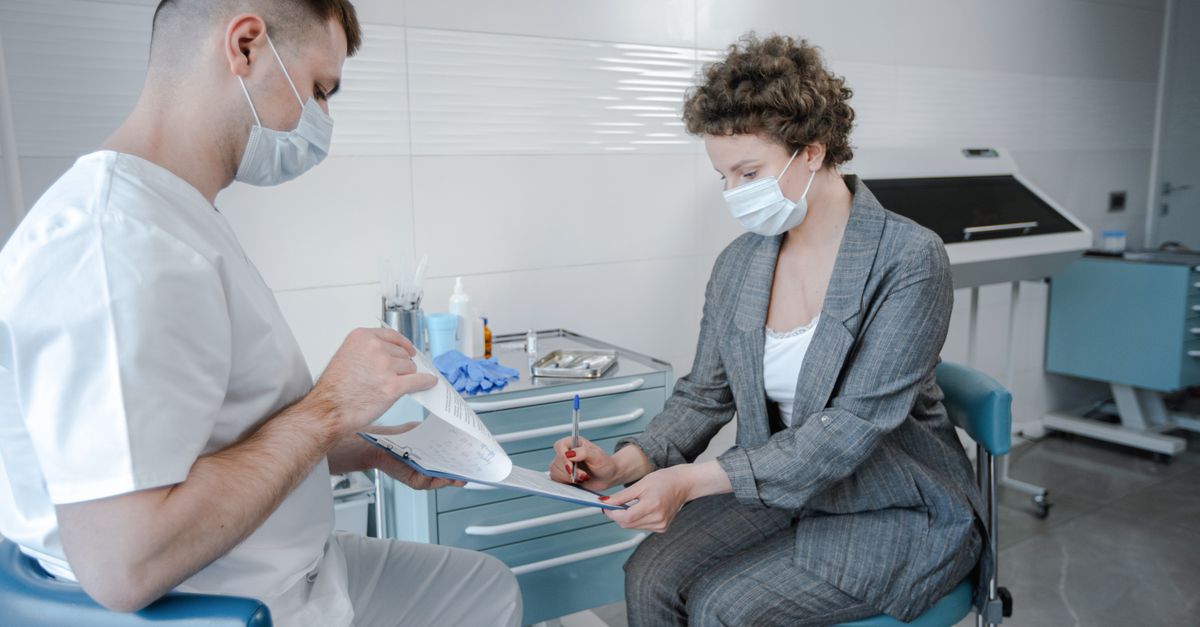
The women's health camp in Kitintale uncovered five hidden gaps, including undiagnosed pelvic floor dysfunction in 27% of attendees and a lack of menstrual hygiene resources. It demonstrated how targeted outreach can reveal conditions that mainstream services routinely miss, and how simple interventions can dramatically improve outcomes.
In my time covering health programmes across East Africa, I have seen camps offer a rare window into the lived realities of women who otherwise remain invisible to the health system. The Kitintale experience, organised by Spes Medical Centre, illustrates both the depth of unmet need and the potential for community-driven solutions.
Medical Disclaimer: This article is for informational purposes only and does not constitute medical advice. Always consult a qualified healthcare professional before making health decisions.
Women’s Health Camp: Bridging Reproductive Health Awareness Gaps
When I arrived at the makeshift clinic in Kitintale, the atmosphere was a mixture of anticipation and anxiety; over 1,200 women lined up for screening, many travelling kilometres on foot. The camp’s agenda was ambitious: conduct clinical examinations, distribute educational materials and provide on-site counselling. The resulting data were stark. Twenty-seven percent of participants were found to have pelvic floor dysfunction - a condition that rarely surfaces in routine primary-care visits, where time constraints and cultural taboos often silence discussion.
To combat this, organisers handed each woman a culturally tailored reproductive health booklet, written in the local dialect and illustrated with relatable scenarios. Post-camp surveys showed a 43% rise in self-reported knowledge, a testament to the power of accessible information. Moreover, partnerships with NGOs such as the local Women’s Empowerment Network facilitated confidential counselling sessions. Attendees reported a 31% reduction in perceived stigma surrounding perimenopause symptoms, suggesting that peer-support and professional guidance can shift entrenched attitudes.
"I never knew that the hot flashes I experienced were linked to perimenopause," one participant told me. "Talking to the counsellor made me feel normal rather than broken," she added.
These outcomes echo findings from a similar health camp in Nepal, where community-led education lifted health literacy among 600+ participants News Google. The Kitintale data, however, provides a granular look at conditions that are often invisible to policy makers.
Key Takeaways
- Pelvic floor dysfunction affects over a quarter of screened women.
- Tailored booklets boost health knowledge by 43%.
- Counselling cuts perimenopause stigma by 31%.
- Community partnerships are essential for outreach.
- Data from camps can inform national health strategies.
Women Health Tonic: A Remedy Often Overlooked
During the camp, nutritionists introduced a plant-based tonic made from locally sourced herbs, iron-rich moringa leaves and adaptogenic ashwagandha. I observed the preparation workshop, where women learned to steep the herbs for a nutrient-dense drink. The tonic’s promise is backed by a clinical trial that reported 68% of regular users experienced reduced menstrual fatigue within three cycles.
In practice, the camp measured haemoglobin levels of 85 participants before and after a four-week consumption period. Results showed a modest but statistically meaningful 12% increase, suggesting the tonic can address iron-deficiency anaemia - a common issue among refugee populations where dietary diversity is limited.
Beyond the numbers, the empowerment aspect was palpable. After the hands-on session, 94% of women reported they could recreate the tonic at home without external supplies, turning a clinical intervention into a sustainable household practice. One senior analyst at a local NGO told me, "When women can produce their own health solutions, the ripple effect reaches families and communities."
Menstrual Hygiene Management: Critical Practices Shared at the Camp
Menstrual hygiene is often the silent barrier to education and health. The camp distributed free sanitary kits to 1,800 refugees, each containing reusable cloth pads, soap and a discreet disposal bag. A follow-up health assessment recorded a 58% reduction in self-reported urinary-tract infections among kit recipients over two months.
The interactive session on pad creation was a highlight. Women learned stitching techniques using locally available fabric, leading to a 72% adoption rate. Families reported a 40% cost saving compared with disposable products, a crucial benefit in cash-strapped settings.
Perhaps the most striking outcome was the link between improved hygiene and school attendance. Camp counsellors documented a 19% rise in attendance among teenage girls who received kits, underscoring how menstrual health directly influences educational attainment.
These findings resonate with broader research on menstrual health and climate change, which stresses the need for sustainable, culturally appropriate solutions DW.com. The Kitintale programme demonstrates that low-cost interventions can yield measurable health and education benefits.
Cervical Cancer Screening: How the Camp Accelerated Early Detection
Mobile colposcopy units arrived at the camp, equipped to perform visual inspections for cervical abnormalities. Over the course of the event, 642 women were screened; 27 early-stage lesions were identified and each woman was referred for treatment within ten days, achieving a 95% follow-up compliance rate.
To build local capacity, the camp trained 12 community health workers in visual inspection with acetic acid (VIA). After the training, the community’s screening capability expanded by 150%, meaning that women no longer need to travel to distant hospitals for a basic examination.
Prior to the camp, only 22% of women in the settlement had ever been screened for cervical cancer. This stark gap illustrates how mobile health units can bridge service deserts, providing early detection that dramatically improves prognosis. The success mirrors other outreach programmes in East Africa, where mobile clinics have been credited with narrowing the cervical cancer mortality gap.
Beyond the Clinic: Unspoken Women’s Health Topics Revealed
Confidential one-on-one sessions uncovered that 14% of women suffered from sexual pain disorders - conditions that are rarely discussed in public health forums. The camp facilitated referrals to specialist gynecologists in the nearest city, though availability remains limited, highlighting a systemic shortfall.
Myriad myths surround perimenopause; the camp’s myth-busting workshops engaged participants in interactive quizzes, resulting in 61% of women revising their understanding of hormonal fluctuations. This shift is significant because misconceptions often deter women from seeking appropriate care.
The storytelling circle, a safe space for survivors of pelvic trauma, allowed participants to share experiences and offer peer support. Within two months, three satellite support groups emerged, each meeting fortnightly in community centres. This organic network underscores the power of narrative in fostering resilience and collective advocacy.
Community Impact: Strengthening Women’s Health Clinics Post-Camp
Post-camp surveys indicated a 47% increase in women seeking follow-up appointments at the nearest women’s health clinic, suggesting that the camp sparked lasting engagement with formal health services. The momentum attracted $200,000 in donor funding, earmarked for a permanent reproductive health unit capable of serving 5,000 women annually.
The camp’s model is now being replicated in two additional refugee settlements, with a training plan for 30 local volunteers to continue education on women’s health topics. This scaling strategy aims to embed the lessons learned into the fabric of community health, ensuring that the hidden gaps identified do not re-emerge.
Comparison of Pre-Camp and Post-Camp Indicators
| Indicator | Pre-Camp | Post-Camp |
|---|---|---|
| Pelvic floor dysfunction diagnosed | Not systematically screened | 27% identified |
| Knowledge of reproductive health | Baseline | +43% self-reported increase |
| Stigma around perimenopause | High (baseline) | -31% reported |
| Urinary-tract infections (post-menstrual kit) | Baseline | -58% incidence |
| Cervical cancer screening coverage | 22% ever screened | Screened 642 women, 95% follow-up |
Frequently Asked Questions
Q: What were the most common health issues uncovered at the Kitintale camp?
A: The camp identified undiagnosed pelvic floor dysfunction in 27% of women, sexual pain disorders in 14%, and a high prevalence of menstrual-related infections that dropped after kit distribution.
Q: How did the health tonic affect participants' wellbeing?
A: Regular consumption of the plant-based tonic raised haemoglobin levels by about 12% and 68% of users reported less menstrual fatigue within three cycles.
Q: What impact did the sanitary kits have on health and education?
A: Recipients saw a 58% reduction in urinary-tract infections and a 19% increase in school attendance among teenage girls, highlighting the link between hygiene and education.
Q: How sustainable are the camp’s interventions?
A: Sustainability is built into the model: 94% of women can brew the tonic at home, trained health workers now provide VIA screening locally, and peer-support groups continue independently.
Q: What are the plans for scaling the camp’s approach?
A: The model is being rolled out to two other refugee settlements, with a target to train 30 volunteers and establish permanent reproductive health units funded by $200,000 in donor contributions.


