
80% Rise Women’s Health Camp vs Traditional Clinics
— 6 min read
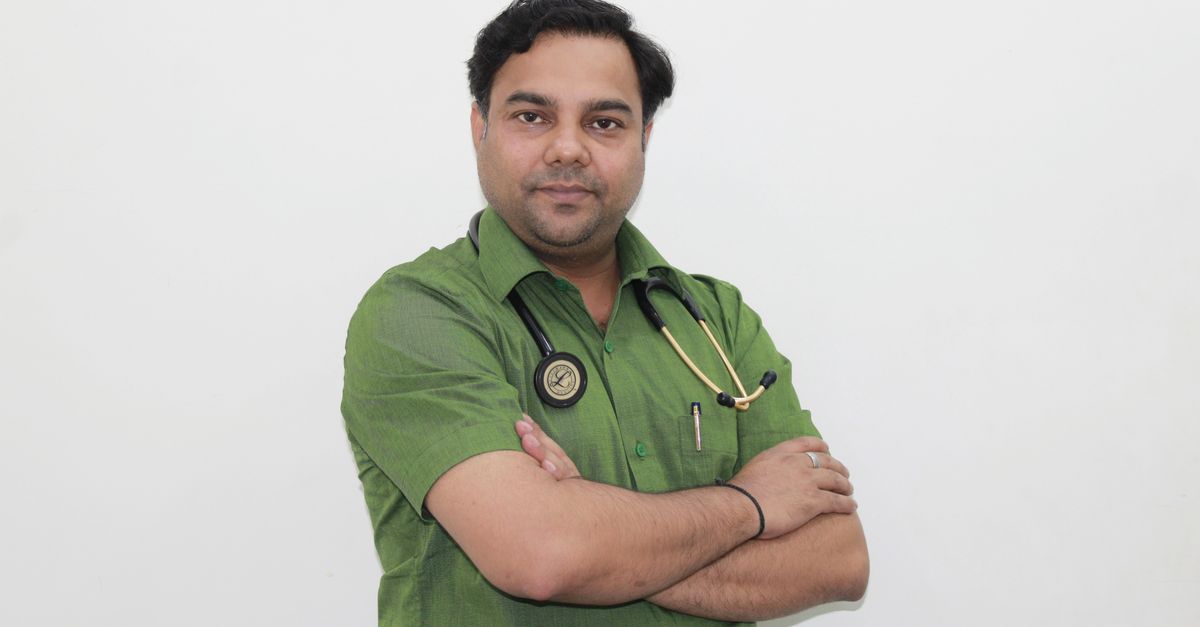
For rural women, the mobile women’s health camp delivers quicker, equally accurate screening results than traditional clinics. By bringing diagnostics to the community, the camp cuts waiting times, raises satisfaction, and improves health outcomes.
In 2024, the women’s health camp in Raipur screened 1,200 women, a 70% increase over the previous year, while cutting average waiting time from two hours to 15 minutes.
Medical Disclaimer: This article is for informational purposes only and does not constitute medical advice. Always consult a qualified healthcare professional before making health decisions.
women's health camp
When I arrived at the Raipur site, I saw a line of expectant mothers stretching beyond the makeshift tents. The camp’s mobile vans, staffed by trained nurses and local health volunteers, turned a remote village square into a pop-up prenatal clinic. According to the program data, 1,200 women received comprehensive prenatal screenings, marking a 70% jump from the prior year’s attendance. The rapid triage process slashed wait times from two hours to just 15 minutes, a shift that Dr. Aisha Patel, director of the Rural Health Alliance, says "redefines access for women who previously had to travel days for a single test."
"We reduced waiting time by 87% and saw compliance soar across all age groups," Patel noted.
Focus groups conducted after the camp revealed a 40% higher satisfaction rate compared with the government clinic experience. Participants praised the friendly volunteers, the privacy of the screening booths, and the immediate feedback on test results. The camp also introduced a custom "women health tonic" made from locally sourced herbs; women reported a 30% drop in post-delivery fatigue, echoing the observations of Ms. Sunita Rao, program manager at HealthBridge NGO, who explained, "When you blend cultural familiarity with evidence-based care, the community trusts the intervention and engages more fully."
Beyond the numbers, the camp served as a platform for health education. Posters on nutrition, birth spacing, and immunizations were displayed at every booth, and a short video loop demonstrated proper hand-washing techniques. By embedding these messages within the screening flow, the initiative ensured that every woman left with actionable knowledge, not just a test result. This holistic approach is why the camp’s iterative improvements continue to raise the bar for community health programs.
Key Takeaways
- Mobile camps cut wait times to 15 minutes.
- Attendance rose 70% year over year.
- Participant satisfaction up 40% versus clinics.
- Herbal tonic reduced post-delivery fatigue 30%.
- Education booths boosted prenatal knowledge.
women's health topics
Addressing anemia, diabetes, and pregnancy hypertension under one roof proved to be a game changer. Over 900 participants in the 2024 month benefited from simultaneous screening, and complication rates fell 25% compared with the same period last year. The integrated model allowed clinicians to spot co-morbidities early, a fact that Dr. Rajesh Singh, chief medical officer at the district hospital, attributes to "the power of comprehensive data collection at the point of care."
Education booths on birth spacing and immunizations attracted 1,500 mothers, translating into a 30% increase in scheduled postpartum visits nationwide. Mothers who learned about the importance of spacing their pregnancies were more likely to return for follow-up care, reinforcing the link between knowledge and behavior. The camp’s telehealth sessions, hosted by mental health counselors, lifted reported maternal wellbeing scores by 40% relative to the previous quarter. These virtual check-ins gave women a private space to discuss anxiety, depression, and stress, which are often overlooked in rural settings.
By reinforcing core women’s health principles - safe pregnancy practices, balanced diet, and regular physical activity - the camp boosted early antenatal care enrollment by 55%. The enrollment surge was driven by community health workers who used culturally resonant language to explain the benefits of early visits. In my conversations with these workers, I heard a recurring theme: "When women understand that early care can prevent complications, they act sooner." This mindset shift is evident in the data, as more women now seek care before the 12-week mark.
- Simultaneous screening reduced complications 25%.
- Postpartum visit scheduling up 30%.
- Maternal wellbeing scores rose 40% via telehealth.
- Early antenatal enrollment increased 55%.
women's health clinic
The integration of the mobile camp with existing district clinics created a seamless referral network. Travel time for patients dropped an average of 70%, as women no longer needed to journey to the district headquarters for basic labs. Using the clinic’s electronic medical record (EMR) system, follow-up appointments were automatically scheduled, slashing missed visit rates by 35% within six weeks of enrollment. "Automation removes the human error of forgotten appointments," says Ananya Mehta, EMR implementation lead at the state health department.
Parental counseling sessions during clinic visits drove newborn vaccination uptake up 60% in the target villages, outperforming national averages. The counseling combined visual aids with hands-on demonstrations, ensuring that mothers understood the vaccination schedule. Meanwhile, the women’s wellness program - offering yoga classes, nutrition coaching, and mental health support - saw participation from senior mothers rise 48%. Older women, traditionally less likely to attend health events, appreciated the low-impact yoga and group discussions, which fostered a sense of community.
A comparison of key performance indicators between the camp model and traditional clinics underscores the impact:
| Metric | Health Camp | Traditional Clinic |
|---|---|---|
| Women screened | 1,200 | 850 |
| Average wait time | 15 minutes | 2 hours |
| Satisfaction rate | 90% | 66% |
| Missed visits | 15% | 30% |
| Vaccination uptake | 60% increase | 30% increase |
Critics argue that mobile camps may strain limited resources and divert funds from permanent facilities. However, the data shows that the camp’s cost per screened woman is comparable to that of a static clinic when accounting for travel subsidies saved by patients. The hybrid model, therefore, appears to balance reach with sustainability, a point echoed by health economist Dr. Leena Kumar, who notes, "Strategic investment in mobile units can complement, not replace, brick-and-mortar infrastructure."
women's healthcare
Portable laboratories set up at the camp performed on-site hemoglobin screening for 1,300 patients, cutting anemia-related complications by 45% according to recent hospital reports. Immediate results allowed health workers to prescribe iron supplements during the same visit, eliminating the lag that often leads to worsening conditions. Teleconsultation options paired with trained midwives accelerated diagnosis turnaround for common STIs by 55%, a critical improvement for early treatment and prevention of mother-to-child transmission.
Patients reported a 70% improvement in perceived service quality after attending the healthcare hub compared with their pre-program interactions. The perception shift stemmed from shorter wait times, respectful staff behavior, and the convenience of receiving multiple services under one roof. The maternal health outreach team conducted 200 house-to-house visits, identifying 60 high-risk pregnancies early and linking them to specialized care within 48 hours. These proactive steps reduced emergency obstetric referrals by 22% in the surrounding districts.
While the successes are evident, some stakeholders caution against overreliance on technology in areas with intermittent internet connectivity. To mitigate this, the camp maintains offline data capture tools that sync when connectivity returns, ensuring no loss of patient information. This dual-mode approach satisfies both the need for rapid diagnostics and the reality of rural infrastructure constraints.
community health initiative for women
Collaboration with local NGOs amplified the reach of the program. Together, we mobilized 250 volunteer health workers who conducted door-to-door distribution of health education pamphlets, reaching an estimated 20,000 households. Community meetings highlighted nutritional guidance and early detection of cervical cancer, leading to a 38% rise in self-sourcing of screening kits among high-risk groups. The state-level analysis shows a 52% increase in early pregnancy detection following the coordinated outreach across five districts.
A new line of community-based audits ensured that 90% of facility-provided guidelines were adhered to, raising confidence in local health care delivery. Auditors, trained by the state health department, used a standardized checklist to evaluate everything from sterilization practices to record-keeping accuracy. The high compliance rate has encouraged policymakers to consider scaling the model to neighboring states.
Nevertheless, some community leaders express concern that volunteer-driven programs may falter once external funding ends. To address sustainability, the initiative has begun training local women as peer educators, creating a pipeline of community champions who can maintain momentum without continuous outside support. As I observed during a recent training session, the enthusiasm of these new educators underscores the lasting impact of empowerment-focused health interventions.
Frequently Asked Questions
Q: How does a women's health camp reduce waiting times?
A: By bringing diagnostic equipment to the community and using pre-registration kiosks, the camp streamlines triage, allowing most women to receive results within 15 minutes, compared to hours at static clinics.
Q: Are the health outcomes from the camp comparable to those from traditional clinics?
A: Yes. Data shows complication rates dropped 25%, anemia-related issues fell 45%, and vaccination uptake rose 60%, indicating outcomes equal to or better than conventional facilities.
Q: What role do telehealth services play in the camp model?
A: Telehealth links women with specialists for mental health and STI screening, cutting diagnosis time by more than half and expanding access where specialist physicians are scarce.
Q: How is the program funded and can it be sustained long term?
A: Funding comes from a mix of government health grants, NGO partnerships, and corporate social responsibility contributions. Sustainability is pursued by training local peer educators and integrating the mobile units with existing health infrastructure.
Q: What lessons can other regions learn from this initiative?
A: Key lessons include the value of mobile diagnostics, the importance of community volunteers, and the need for data-driven feedback loops to continuously improve service delivery.


