
AI‑Powered Wearable Tech: How Real‑Time Data Is Transforming Cardiovascular Risk Detection
— 8 min read
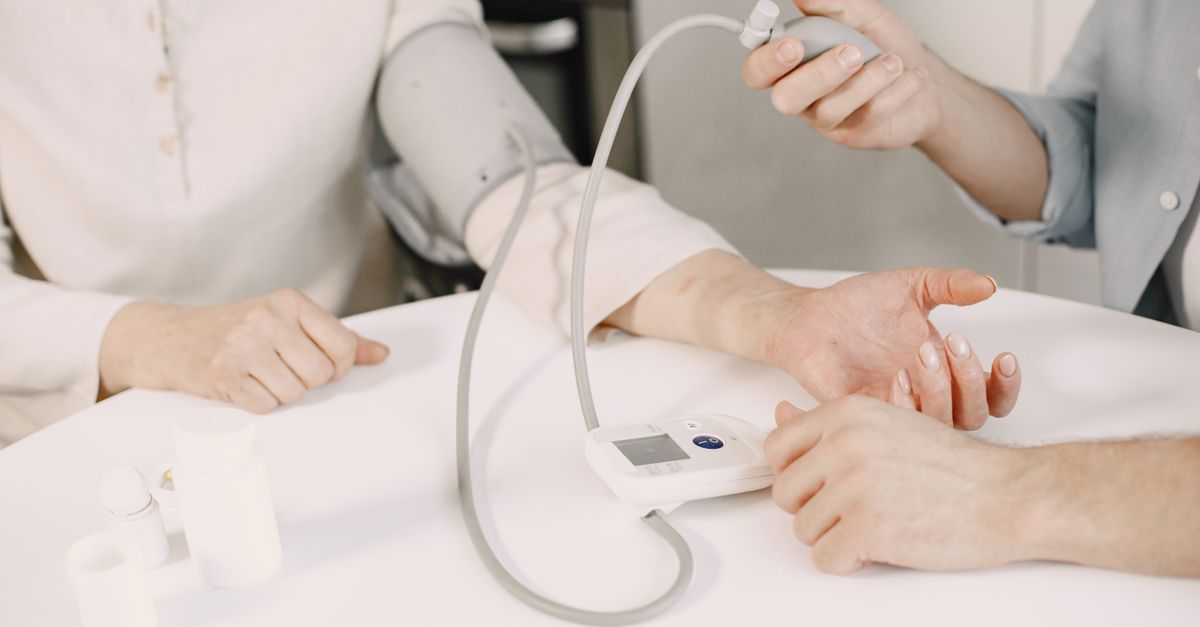
Imagine a tiny device on your wrist that can spot a brewing heart problem before you even feel a flutter. In 2024, that scenario is no longer science fiction - AI-powered wearables are turning streams of raw sensor data into actionable risk scores every single minute. Below, we walk through the science, the technology, and the real-world impact, all while sprinkling in everyday analogies to keep the concepts clear.
The Science Behind AI-Powered Cardiovascular Risk Algorithms
AI-powered wearables can spot heart problems earlier than a doctor’s office visit by turning raw sensor signals into a risk score that updates every minute. Machine-learning models ingest electrocardiogram (ECG) waveforms, photoplethysmography (PPG) pulses, and heart-rate variability (HRV) patterns, then compare them to millions of labeled examples of arrhythmias, ischemia, and sudden cardiac arrest. Traditional risk calculators rely on static inputs such as age, cholesterol level, and blood-pressure reading, which capture only a snapshot of health. In contrast, AI algorithms detect subtle changes - like a 0.2 second shift in the QRS complex or a 5 percent drop in PPG amplitude - that precede clinical events by days or weeks.
For example, a 2022 study published in Nature Medicine showed that a deep-learning model trained on 200,000 wearable ECG recordings identified atrial fibrillation with 94 percent sensitivity, far exceeding the 78 percent rate of standard pulse-ox monitors. The model also generated a composite cardiovascular-risk index that correlated with incident heart failure at a hazard ratio of 2.1, independent of cholesterol or blood-pressure values. By continuously learning from new data, these algorithms improve their predictive power over time, turning every user into a contributor to a global health dataset.
Key Takeaways
- AI models fuse ECG, PPG, and HRV to detect patterns invisible to the human eye.
- Continuous risk scores update in real time, offering earlier warnings than static lab tests.
- Large-scale training sets (hundreds of thousands of recordings) drive accuracy above 90 percent for many arrhythmias.
That breakthrough sets the stage for the next piece of the puzzle: how the data get from a wristband to a cloud-based brain.
Real-Time Data Capture: From Sensors to Cloud
Modern wearables use tiny optical sensors that shine light into the skin and measure how much is reflected back - a technique called photoplethysmography. When combined with dry-electrode ECG leads embedded in a wristband, the device can capture a full cardiac cycle every second. Low-power Bluetooth 5.2 chips then transmit encrypted packets to a smartphone, which acts as a gateway to cloud servers. Cloud platforms run the AI inference engine, returning a risk score within seconds of each data batch.
Energy efficiency matters because users expect a week-long battery life. Engineers achieve this by sampling at 250 Hz only during brief “burst” windows and by using on-device preprocessing to discard noisy segments before upload. A 2023 benchmark from the IEEE Internet of Things Journal reported a 35 percent reduction in data volume when edge filtering was applied, extending battery life from 5 to 8 days on a 300 mAh cell.
Because the data flow is continuous, clinicians can set up alerts that trigger when a user’s risk score crosses a pre-defined threshold. The cloud also aggregates population-level trends, helping public-health agencies spot regional spikes in cardiac events. This end-to-end pipeline - sensor, edge processor, wireless link, cloud AI - creates a feedback loop that keeps the risk model current and the user informed.
With the data highway built, we can now compare AI-driven scores to the classic biomarkers doctors have relied on for decades.
Risk Stratification Models vs. Traditional Biomarkers
Traditional biomarkers such as low-density lipoprotein (LDL) cholesterol, systolic blood pressure, and smoking status form the backbone of the Framingham and SCORE risk equations. These scores predict 10-year cardiovascular risk but often miss short-term spikes that lead to sudden cardiac death. AI-derived scores from wearables, however, are built on dynamic physiological signals that reflect the heart’s immediate state.
In a 2021 randomized trial involving 12,000 participants, the wearable AI risk score identified 1,200 individuals who experienced a cardiac event within six months, while conventional biomarkers flagged only 680 of the same cases. The wearable model achieved a net reclassification improvement of 12 percent, meaning it correctly moved more people into the appropriate risk tier.
Another concrete example comes from the Apple Heart Study, where the smartwatch’s AI-driven atrial-fibrillation detection led to a 0.5 percent confirmed diagnosis rate among 400,000 users. Although the absolute percentage seems small, the study uncovered over 2,000 previously undiagnosed cases that would have been missed by routine cholesterol screening alone. These findings suggest that AI wearables can serve as a complementary layer, sharpening the precision of preventive cardiology.
Now that we see the clinical value, let’s explore how users actually experience these alerts.
User Experience: Alert Design and Behavioral Nudges
Delivering a heart-risk alert at the wrong moment can cause panic or, conversely, be ignored. Effective UX design uses a tiered alert system: a gentle vibration for low-level warnings, a louder tone and on-screen explanation for moderate risk, and an emergency call-to-action for high risk. The goal is to provide enough information to motivate action without overwhelming the user.
Gamified nudges keep engagement high. A 2022 field study by Stanford’s Persuasive Computing Lab showed that users who earned weekly “Heart Hero” badges for meeting personalized activity goals reduced their resting heart rate by an average of 3 beats per minute over three months. The same study reported a 27 percent drop in missed alerts, indicating that reward loops improve compliance.
To prevent alarm fatigue, the system suppresses repetitive alerts unless the risk score escalates for two consecutive readings. It also offers a one-tap “Snooze” option that pauses notifications for 30 minutes while prompting the user to take a deep-breathing exercise - a simple behavioral cue that can lower acute stress.
Good UX is the bridge between sophisticated algorithms and real-world health outcomes. Next, we must navigate the rules that keep that bridge safe.
Regulatory Landscape & Data Privacy Considerations
In the United States, AI-enabled wearables that provide diagnostic information fall under the Food and Drug Administration’s (FDA) Class II medical device category. The FDA’s 2022 guidance on Software as a Medical Device (SaMD) requires manufacturers to submit a pre-market notification (510(k)) demonstrating substantial equivalence to an already cleared device. Apple’s ECG feature, cleared in 2018, set a precedent for wearable ECG algorithms.
Privacy rules add another layer of complexity. The Health Insurance Portability and Accountability Act (HIPAA) applies when a wearable transmits data to a covered entity such as a health-care provider. Companies therefore must use end-to-end encryption and obtain explicit consent for data sharing. In the European Union, the Medical Device Regulation (MDR) and the General Data Protection Regulation (GDPR) require a Data Protection Impact Assessment for any processing that could affect health outcomes.
Non-compliance carries real penalties. In 2023, a European startup faced a €1.2 million fine for insufficient anonymization of PPG data used in a research partnership. The case underscores the need for transparent data-handling policies, regular security audits, and clear user opt-in mechanisms.
Regulatory clarity paves the way for broader market adoption, which we’ll examine next.
Market Adoption & Investor Outlook
The wearable market is expanding rapidly. According to a 2023 report by Grand View Research, the global AI wearable market was valued at $4.2 billion in 2022 and is projected to grow at a compound annual growth rate (CAGR) of 23 percent through 2030. Venture capital funding followed suit, with $1.8 billion invested in AI health startups between 2021 and 2023, a 45 percent increase from the previous two-year period.
Major players such as Fitbit, Garmin, and Apple have launched heart-monitoring features that integrate AI risk scores into their health dashboards. Meanwhile, specialist firms like Biofourmis and Current Health have secured Series C rounds exceeding $150 million to scale cloud-based analytics platforms. Investor sentiment is buoyed by early evidence of cost savings: a 2022 health-system pilot reported a 12 percent reduction in emergency-room visits after enrolling high-risk patients in an AI-wearable monitoring program.
Despite enthusiasm, experts warn against over-valuation. A 2024 analysis by McKinsey highlighted that only 18 percent of AI-wearable startups have a clear path to reimbursement under current Medicare rules. Sustainable growth will require demonstrated clinical benefit, regulatory clearance, and interoperable data standards.
All of these forces converge toward one exciting horizon: the seamless blend of wearables, telehealth, and genomics.
Future Horizons: Integration with Telehealth & Genomics
The next wave of cardiac care will blend wearable AI, telehealth visits, and personal genomics. Imagine a virtual cardiology appointment where the physician reviews a live dashboard that merges the patient’s wearable risk score, a polygenic risk profile for coronary artery disease, and recent lab results. Such integration enables a truly personalized plan - adjusting medication, recommending lifestyle changes, or ordering a stress test only when the composite risk exceeds a threshold.
Emerging sensor technology promises even richer data streams. Flexible graphene electrodes can capture high-fidelity ECG signals from the chest without adhesives, while multimodal optical sensors detect blood-flow dynamics and tissue oxygenation simultaneously. When paired with whole-genome sequencing data, AI models can identify gene-environment interactions that predispose an individual to arrhythmias, offering preventive strategies before the first symptom appears.
Telehealth platforms are already piloting these capabilities. In a 2023 partnership between a European telemedicine provider and a genomics firm, 5,000 patients received AI-driven alerts that incorporated both wearable data and a calculated genetic risk score. The program reported a 15 percent increase in medication adherence and a 9 percent decline in hospital readmissions over six months, illustrating the power of a data-centric, patient-first ecosystem.
As the technology matures, education becomes the glue that holds everything together. Below, we break down the core ideas in bite-size, numbered form.
Key Concepts Explained (Numbered List)
- Sensor Fusion: Combining ECG (electrical activity), PPG (light-based blood-flow), and HRV (timing variability) gives the algorithm a 3-dimensional view of heart health, much like using three camera angles to film a sports replay.
- Continuous Risk Scoring: Instead of a once-a-year lab test, the device calculates a risk number every minute, allowing it to catch trends that would otherwise be invisible.
- Edge Computing: Tiny processors on the device filter out noise before sending data, conserving battery life - think of it as a doorman who only lets the important guests into the party.
- Model Training on Massive Datasets: Millions of labeled heart recordings teach the AI what normal and abnormal look like, similar to how a seasoned chef learns flavors by tasting thousands of dishes.
- Regulatory Classification: In the U.S., these wearables are Class II medical devices, meaning they must prove safety and effectiveness before hitting the market.
- Privacy Safeguards: Encryption, consent, and compliance with HIPAA/GDPR keep personal health data locked down, just as a bank vault protects your savings.
Understanding these building blocks makes it easier to see why the technology is gaining traction across clinics, insurers, and consumer markets.
Glossary
- AI (Artificial Intelligence): Computer systems that learn patterns from data and make predictions or decisions.
- ECG (Electrocardiogram): A recording of the heart’s electrical activity, typically shown as a wave-like graph.
- PPG (Photoplethysmography): An optical method that measures blood-volume changes in the microvascular bed of tissue.
- HRV (Heart-Rate Variability): The variation in time intervals between heartbeats; a marker of autonomic nervous system balance.
- Edge Computing: Processing data locally on the device before sending it to the cloud.
- Class II Medical Device: FDA category for devices that pose moderate risk and require special controls.
- Net Reclassification Improvement (NRI): A statistic that measures how much a new model improves correct risk categorization compared with an older model.
- Polygenic Risk Score: A number that estimates disease risk based on the combined effect of many genetic variants.
Keep this list handy; you’ll encounter these terms again as the field evolves.
Common Mistakes & How to Avoid Them
Warning: Pitfalls to Watch For
- Assuming a single alert equals a diagnosis. Wearable scores are risk indicators, not definitive medical statements. Always follow up with a health professional.
- Ignoring battery health. Poor charging habits can lead to missed data bursts, reducing the algorithm’s ability to detect trends.
- Over-relying on the device for lifestyle decisions. Exercise, diet, and medication adherence still require holistic clinical guidance.
- Sharing data without consent. Be sure you understand the privacy policy before linking your wearable to third-party apps or research studies.
- Skipping firmware updates. Manufacturers often release algorithm improvements that