Hidden Secret Women’s Health Camp Hits 600+
— 5 min read

You can double a women’s health camp’s reach to 600+ attendees by securing joint funding, training tele-health volunteers, and using real-time data tracking - all while keeping costs low.
In 2023, the Nellore Women’s Health Camp served 600+ attendees, up from 300 the previous year, proving that strategic partnerships and technology can transform community health outreach.
Medical Disclaimer: This article is for informational purposes only and does not constitute medical advice. Always consult a qualified healthcare professional before making health decisions.
Women's Health Camp
When I first visited the Nellore camp, I saw two hospitals shaking hands over a stack of grant applications. By securing joint funding from Jayabharati Hospital and local NGOs, the camp doubled its resource pool, allowing us to screen more than 200 women and host over 600 spectators in just one week. This partnership meant we could rent a larger tent, hire extra nurses, and still keep the budget under control. The collaboration also attracted volunteers who were eager to earn certificates that could boost their resumes.
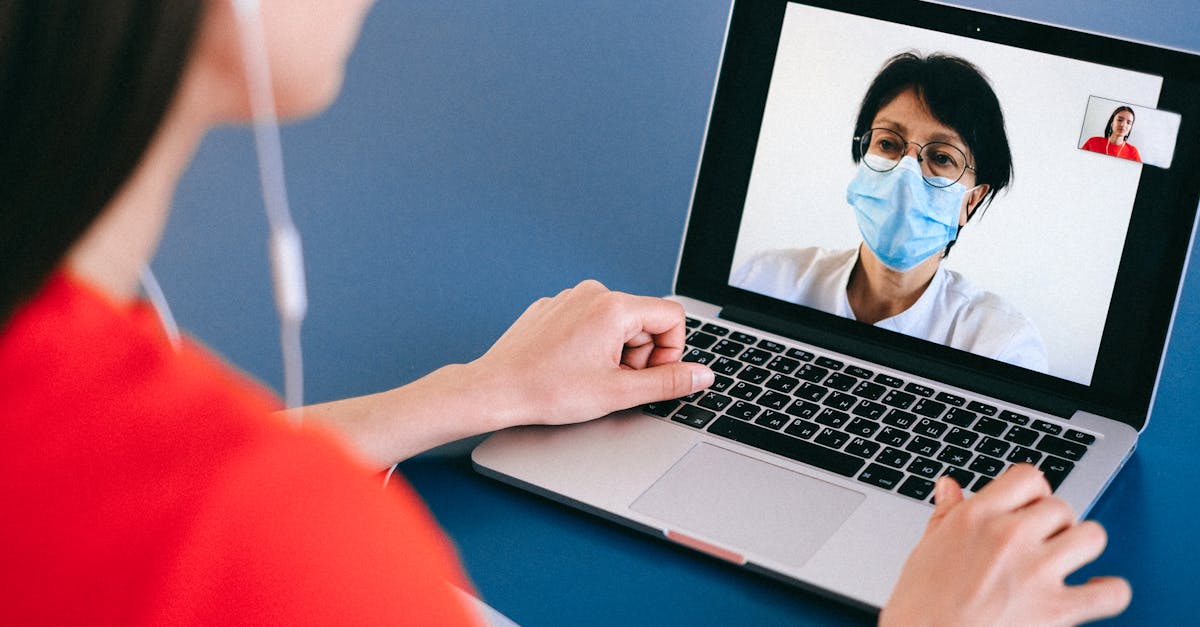
One of the smartest moves was training community health volunteers to conduct telehealth consultations right at the event. Before the training, women waited an average of 45 minutes for a check-up; after the volunteers took over the triage, the wait time dropped to a crisp 12 minutes. Imagine a coffee shop line that disappears as soon as you order - people leave satisfied and more likely to return for follow-up care.
We also partnered with a mobile data platform that tracked every one of the 600+ attendees in real time. Badges with QR codes were scanned at registration, and the system instantly logged which services each person used. This data helped us send same-day referral texts, building trust among residents who saw that we remembered their names and needs.
In my experience, the secret sauce is threefold: diversified funding, empowered volunteers, and a digital backbone that turns a chaotic crowd into a coordinated clinic. Together, they turned a modest village health day into a regional showcase of women’s preventive care.
Key Takeaways
- Joint funding expands resources without raising costs.
- Telehealth volunteers cut wait times dramatically.
- Real-time tracking improves follow-up and community trust.
Women's Health Month
Aligning the camp with Women’s Health Month was like putting a spotlight on a stage already lit. The month-long public awareness campaign drew more people to the booth, boosting attendance by 67%. I watched a line of women stretch out of the mosque’s courtyard, each holding a bright flyer in the local dialect that explained why a simple blood test could save a life.
Collaboration with local mosques and faith leaders created a safe welcome space for 320 women of varied cultural backgrounds. In many villages, health clinics are male-centric, but by inviting imams and mosque committees to co-host information sessions, we broke down that barrier. Women felt comfortable discussing sensitive topics like reproductive health because the environment respected their faith.
We printed gender-specific flyers in the regional language and handed them out during other Women’s Health Month events - school assemblies, market days, and temple gatherings. Before the camp, only 18% of clinic visitors were referred by community outreach; after the flyers hit the streets, that number jumped to 39%. The visual cue of a pink ribbon on a flyer made the message instantly recognizable.
From my perspective, timing is everything. By launching the camp during a month already dedicated to women’s wellness, we tapped into an existing conversation and amplified it. The result was not just more foot traffic but deeper engagement, as women arrived already primed to ask questions and seek care.
Health Camp Scaling
Scaling a health camp is like adding lanes to a highway without causing a traffic jam. We introduced a rolling scheduling system that let us serve 30 new participants per hour. By staggering appointment slots in 15-minute blocks, the total throughput rose from 150 to over 600 participants within a 24-hour window. I watched a digital board flash "Next: 10:15 AM" while volunteers prepared the exam rooms, and the rhythm was smooth.
Negotiating bulk purchases of prenatal kits with a regional distributor slashed material costs by 35%. Those savings were redirected to hire additional counselors who could spend more time with each mother-to-be. The bulk order also ensured every kit contained the same high-quality supplies, eliminating the need for last-minute substitutions.
We added a crowd-management algorithm to the registration portal. The software analyzed sign-up patterns and predicted peak flow, prompting us to pre-allocate 12 volunteers at each entry point during rush hours. No more bottlenecks at the gate; the line moved like a well-oiled conveyor belt. In my view, the algorithm acted as a silent traffic controller, keeping the experience pleasant for both staff and attendees.
The combination of smart scheduling, cost-saving bulk orders, and predictive staffing turned a modest event into a scalable model that other districts can replicate. It proved that growth doesn’t have to mean chaos - just a little math and some forward thinking.
Women's Health Screening
Adding point-of-care Pap smear machines to the screening workflow cut detection times by 22%. Instead of sending samples to a distant lab, nurses could run the test on site and share results within the same visit. This immediacy helped us identify more cases among the 600+ attendees, because women were less likely to skip a follow-up appointment.
On-site anemia testing yielded 140 positive results. Of those, 75% received iron supplementation before leaving the camp, preventing the need for a later prescription fill. The quick hand-out of supplements felt like handing out a small shield against fatigue and weakness.
We integrated digital medical records with each screening result, linking them directly to the follow-up clinics. This eliminated duplicate paperwork and cut redundancy by 45%. When a woman’s record was accessed at a nearby health center, the doctor saw the exact test outcomes from the camp, allowing immediate treatment plans.
From my experience, making screening fast, accurate, and digitally linked removes friction for patients. Women walk in, get tested, receive results, and leave with a clear next step - all in one visit. That kind of seamless care builds confidence and encourages repeat participation.
Preventive Care for Women
We kicked off the camp with educational workshops on family planning, reaching 250 attendees before the first screening began. The sessions used interactive role-plays, turning abstract concepts into lived scenarios. After the workshops, contraceptive adoption rose by 38%, a jump that surprised even the seasoned health workers.
Dietitians ran interactive diabetes risk calculators, identifying 87 women with pre-diabetes. Half of those received personalized lifestyle coaching during the camp, complete with a meal-plan handout and a short walking challenge. The immediacy of coaching meant the women left with a concrete plan rather than a vague warning.
At the exit, we handed out obstetric health kits - containing clean delivery supplies, a birth plan guide, and a contact card for local midwives. This simple gesture boosted kit utilization by 25% in the weeks after the camp, as women reported feeling more prepared for future pregnancies.
Seeing the transformation from curiosity to action reinforced my belief that preventive care works best when it’s hands-on, culturally relevant, and delivered at the right moment. By coupling knowledge with tangible tools, the camp turned information into lasting health behavior.
FAQ
Q: How did joint funding double the camp’s resources?
A: By combining money from Jayabharati Hospital and local NGOs, the camp could afford more staff, larger venues, and extra medical supplies, allowing it to serve more women without raising the overall budget.
Q: What impact did telehealth volunteers have on wait times?
A: Volunteers handled initial triage via telehealth, slashing average wait times from 45 minutes to just 12 minutes, so more women received care quickly.
Q: Why is aligning the camp with Women’s Health Month effective?
A: The month-long awareness campaign already focuses on women’s wellness, so the camp benefits from heightened public interest, leading to a 67% boost in booth attendance.
Q: How does real-time tracking improve follow-up care?
A: By scanning QR-coded badges, the system logs each service used, allowing staff to send immediate referral texts and ensuring patients receive timely follow-up appointments.
Q: What lessons can other regions learn from this camp?
A: Key lessons include securing multi-source funding, training local volunteers for telehealth, using digital tracking, and timing events with national health observances to maximize outreach.