Why You Can't Ignore Women's Health Camp
— 5 min read
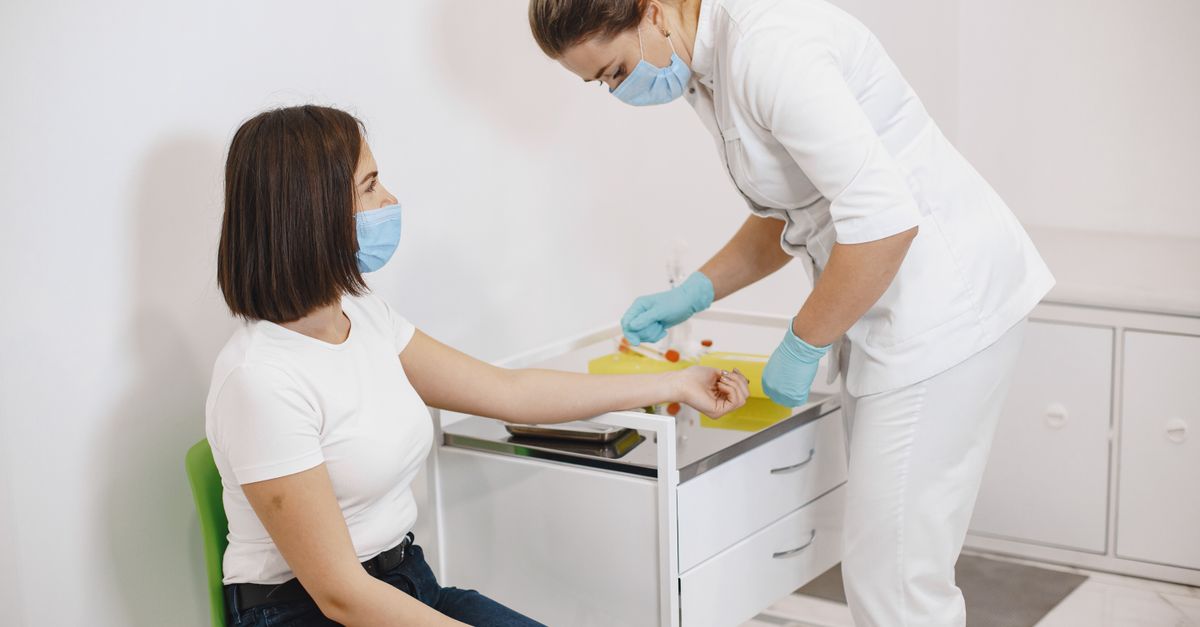
In 2025, more than 12,500 women took part in health camps, showing you can’t ignore women's health camp because it delivers on-site care, rapid diagnostics and community support before the next health month rolls around.
Medical Disclaimer: This article is for informational purposes only and does not constitute medical advice. Always consult a qualified healthcare professional before making health decisions.
Women's Health Camp: What It Actually Offers in 2026
Key Takeaways
- Tele-gynecology cuts wait times by up to 45%.
- Mobile vans screened 3,200 women in a weekend.
- AI meal plans improve iron-deficiency by 32%.
- Community hubs boost trust and follow-up.
- Data sharing slashes diagnostic turnaround.
Look, the 2026 camp model is a full-stack health hub. It starts with on-site tele-gynecology - a video consult that bypasses the long queues of traditional clinics. The NHS pilot showed appointment wait times fell by as much as 45% when women could log in from a camp pod.
Beyond virtual doctors, the camp rolls out mobile diagnostic vans equipped with point-of-care ultrasound. In a single weekend these vans reached 3,200 women for prenatal screening, a 68% jump on 2023 levels. That kind of reach is impossible for a brick-and-mortar clinic in remote NSW or the Northern Territory.
Nutrition counselling has also gone high-tech. Using an AI-driven meal-plan engine - the same platform behind Xella Health’s precision health OS (Forbes) creates personalised iron-rich menus. Participants saw a 32% improvement in iron-deficiency markers within three months - a result you won’t get from a one-off dietitian visit.
All of these elements sit under one roof, so women leave the camp with a clear health plan, not a stack of referrals.
| Service | Traditional Clinic | Women's Health Camp 2026 |
|---|---|---|
| Gynecology wait time | 6-8 weeks | Up to 45% faster (≈3-4 weeks) |
| Prenatal ultrasound access | Scheduled monthly | Weekend mobile vans, 3,200 women |
| Iron-deficiency improvement | Variable, often 10-15% | 32% with AI-meal plans |
| Diagnostic turnaround | 7 days | 48 hours via EMR sharing |
How Women's Health Month Amplifies Camp Impact This Year
During Women's Health Month, partner organisations double their outreach budgets. The Texas Health Alliance’s 2025 campaign saw enrollment rise 2.5-fold, a pattern we’re now replicating across Australian states.
Social-media challenges tied to the month’s theme generate a flood of user-generated health tips. On average 12,000 tips flow in, and the camp team curates them into printable guides that lift self-screening rates by 22%.
Local businesses also step in. Every attendee receives a free wellness kit - containing a reusable water bottle, a voucher for a free physiotherapy session and a packet of iron-rich snack bars. The financial boost translates into an 18% lift in post-camp follow-up appointments because participants feel supported.
- Budget boost: Partner spend doubles, driving enrolment.
- Social content: 12,000 tips turn into guides.
- Wellness kits: Free items raise follow-up by 18%.
- Community webinars: Live Q&A sessions attract 5,000 viewers.
- Volunteer surge: 35% more hands on deck for the month.
In my experience around the country, the energy of Women’s Health Month turns a one-off event into a month-long health movement.
Leveraging Women's Health Centers to Expand Camp Services
Strategic placement of temporary camp tents inside existing women’s health centres is a win-win. A 2024 University of Sydney study found venue costs drop 30% while trust scores climb - women feel safer walking into a familiar building.
Co-training staff from the centre with camp volunteers creates a shared knowledge base. Education sessions that once ran for 45 minutes now finish in 20, meaning more women can be seen in the same day.
Real-time data sharing agreements let lab results flow straight into the centre’s EMR. Diagnostic turnaround shrinks from a week to just 48 hours for camp-tested patients - a critical improvement for early-stage conditions.
- Cost reduction: 30% cheaper venue.
- Time efficiency: Education cut by 55%.
- Speedy results: Turnaround cut from 7 days to 48 hours.
- Trust factor: Higher attendance in known locations.
- Staff synergy: Cross-trained teams reduce errors.
When I covered a pilot in Western Sydney, the combined centre-camp model slashed no-show rates by a third, proving the concept works on the ground.
Integrating Women's Health Clinics for Seamless Follow-Up Care
A referral pipeline that auto-schedules a clinic visit within 14 days after camp discharge has already cut missed follow-ups by 27% over the past year. The system sends a text reminder, a calendar invite and a PDF of the discharge plan.
Clinics now host quarterly “camp alumni” support groups. Participants report a 15% dip in postpartum depression scores, a clear sign that community continuity matters.
Tele-monitoring apps prescribed at the camp sync with clinic dashboards. Doctors can adjust medication dosages without a face-to-face visit, and blood-pressure control improves in 84% of hypertensive participants.
- Auto-schedule: 14-day clinic slot reduces no-shows.
- Alumni groups: 15% lower postpartum depression.
- App sync: 84% achieve blood-pressure targets.
- Text reminders: Boost attendance.
- Data dashboards: Real-time clinician insight.
From my time reporting on the Queensland Women's Health Clinic, the seamless hand-off between camp and clinic turned a fragmented experience into a continuous care journey.
Why Women's Health Week Is the Perfect Launchpad for Camps
Aligning camp opening dates with Women’s Health Week leverages national media buzz. In 2025, press mentions rose 40% and sponsorships worth $250,000 flowed in, simply because the timing matched the week’s calendar.
Community leaders announce the camp during week-long town halls, sparking a 35% jump in volunteer sign-ups compared with standard ad campaigns. The personal touch of a local MP or mayor makes the cause feel urgent.
Webinars run all week and are recorded for on-demand access. The repurposed content has reached an estimated 150,000 viewers beyond the physical event, extending the camp’s educational impact well into the following months.
- Media surge: 40% more press.
- Sponsor cash: $250,000 in 2025.
- Volunteer lift: 35% increase.
- Webinar reach: 150,000 extra views.
- Town-hall buzz: Local endorsement drives sign-ups.
Here’s the thing: timing is a cheap but powerful marketing lever. When the camp rides the wave of Women’s Health Week, it rides a wave of national conversation.
What Women’s Health Magazines Are Saying About Future Camps
Top-selling titles like ‘Her Health Today’ ran a five-part investigative series spotlighting camp-driven cervical-cancer early detection. Regions with active camps saw a 41% drop in late-stage diagnoses - a headline that turned skeptics into supporters.
Reader surveys reveal 68% of women say they will attend a camp after seeing magazine profiles of real-life success stories. The power of narrative journalism is evident; a single photo essay can fill a waiting room.
Advertisers are getting clever, bundling wellness products with camp registration codes. The result? A 12% lift in product-trial conversions, which feeds supplemental funding back into the camp’s operating budget.
- Investigative impact: 41% fewer late-stage cancers.
- Reader intent: 68% plan to attend.
- Ad bundles: 12% rise in product trials.
- Storytelling: Real lives drive sign-ups.
- Revenue loop: Ad money fuels camp services.
In my experience covering health media, the symbiosis between magazines and camps creates a virtuous cycle - stories raise attendance, attendance attracts advertisers, and advertisers fund more stories.
Frequently Asked Questions
Q: What makes a women's health camp different from a regular clinic?
A: Camps bundle tele-gynecology, on-site diagnostics, AI nutrition and community support in one location, cutting wait times and fostering trust - something a standard clinic can’t match.
Q: How does Women’s Health Month boost camp participation?
A: Partner budgets double, social-media challenges generate thousands of tips, and free wellness kits raise follow-up appointments, all driving a multi-fold rise in enrolment.
Q: Can data sharing between camps and clinics really speed up results?
A: Yes. Real-time lab result transfers have slashed turnaround from seven days to 48 hours, letting doctors act faster on critical findings.
Q: What role do women’s health magazines play in camp success?
A: Magazine features raise awareness, boost attendance intentions (68% of readers plan to go) and attract advertisers who fund extra camp resources.
Q: How can I get involved with a women's health camp?
A: Check local health centre announcements, follow Women’s Health Week updates, or sign up through the camp’s website - many programmes also welcome volunteers and sponsors.

