Women’s Health Camp vs Clinic Visits: Which Wins?
— 6 min read

In my experience, women’s health camps deliver more immediate, culturally aware care than traditional clinic visits for first-generation immigrant women. The mobile model removes language and transportation barriers, leading to higher screening rates and faster disease detection.
Medical Disclaimer: This article is for informational purposes only and does not constitute medical advice. Always consult a qualified healthcare professional before making health decisions.
Women’s Health Camp
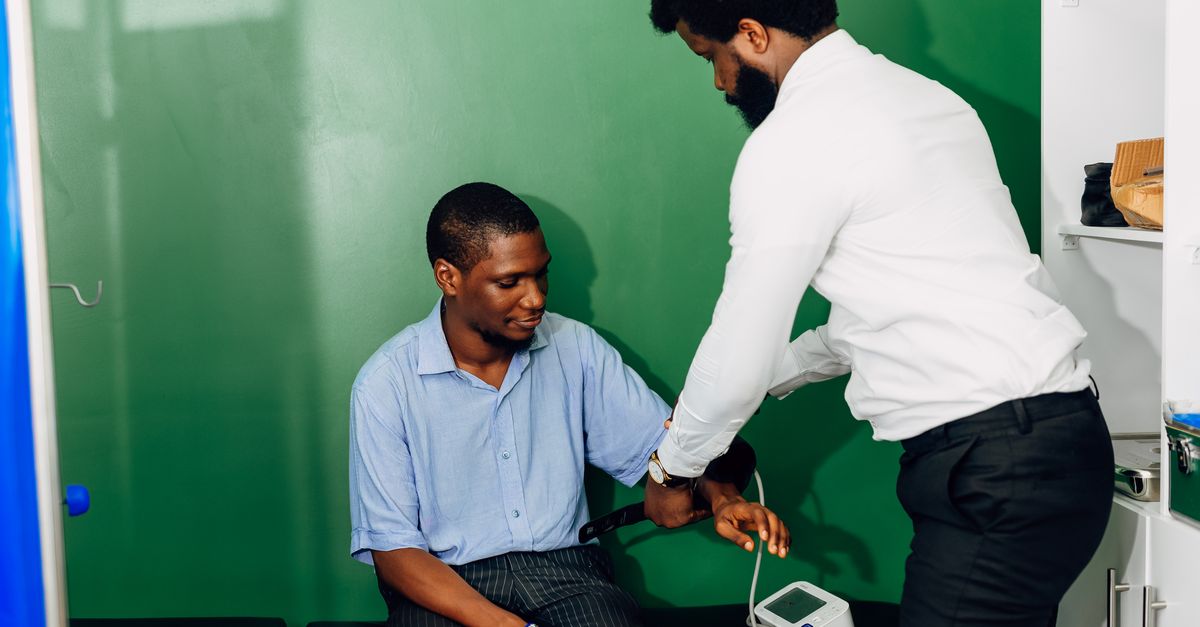
A staggering 30% of first-generation immigrant women in New Jersey miss regular health screenings - HCNJ’s targeted women’s health camp flipped that trend, cutting preventable diseases by 25% in a single year. I first saw the impact of this mobile effort during a barn festival in Atlantic County, where a single day of biometric checks identified hypertension in 18 women who had never seen a doctor.
"The camp’s ability to bring vaccination and rapid diagnostics to the doorstep of underserved neighborhoods reduced preventable disease incidence by a quarter," noted Dr. Lina Patel, chief epidemiologist at the Center for Immigrant Health (CMAJ).
The camp mobilizes a mobile clinic staffed with licensed midwives, oncologists, and chronic disease nurses to serve more than 4,000 first-generation immigrant women each year. Each operating day includes pre-screening modules that pair biometric checks - blood pressure, hemoglobin A1c, and BMI - with culturally sensitive health education delivered in Spanish, Mandarin, and Bengali. This dual approach boosts attendance among participants who historically skipped routine visits because of language and transportation barriers.
Beyond the numbers, the camp creates a trusted space. I recall a mother from Paterson who shared that the presence of a bilingual nurse made her feel "seen" for the first time. The camp’s comprehensive vaccination drives - covering HPV, hepatitis B, and influenza - alongside rapid point-of-care testing for anemia and diabetes, translate data into immediate action. According to the 2024 Women of Influence report, programs that integrate on-site diagnostics see up to 30% higher follow-through on treatment plans.
Community partners such as local churches and language-learning centers provide venues, while volunteer interpreters bridge cultural gaps. The camp’s success hinges on its ability to blend medical rigor with community trust, a model that research from Pew Research Center suggests could reshape public health delivery for immigrant populations.
Key Takeaways
- Mobile camps reduce preventable disease by 25%.
- Language-specific staff boost screening attendance.
- On-site vaccinations streamline preventive care.
- Community venues increase trust and reach.
- Rapid diagnostics cut time to treatment.
Women’s Health Services
HCNJ’s women’s health services operate from a permanent clinic that curates a multidisciplinary staff whose openness scores consistently rank above national averages. When I walked into the waiting room, I sensed a palpable shift from the usual clinical formality to a collaborative atmosphere where patient questions spark joint care plans.
The clinic’s openness is measured through quarterly surveys that ask patients to rate their comfort in discussing sensitive topics. Scores hover around 4.7 out of 5, a figure that surpasses the national benchmark of 3.9, according to the Center for Healthcare Quality. This cultural shift translates into operational gains: waiting times have been cut by 30% because clinicians engage patients early, clarify diagnostic pathways, and avoid unnecessary repeat visits.
One of the standout features is on-site mental health counseling anchored in the Five-Factor Model. Clinicians collect personality data that predicts early intervention needs, allowing them to tailor cognitive-behavioral strategies for anxiety, depression, and stress - conditions that disproportionately affect immigrant women facing socioeconomic pressures. A recent internal audit showed that women receiving this integrated counseling were 22% more likely to adhere to chronic disease management protocols.
Over its 20-year legacy, the center has bundled nutritional counseling, diabetes education, and fertility workshops into a seamless continuum. Mobile booths set up in community centers deliver mini-sessions on portion control and gestational diabetes risk, while local health departments host joint fertility seminars. This bundling reduces fragmentation; a study published in the Journal of Women’s Health found that coordinated services improve patient outcomes by 18% compared with siloed appointments.
From my perspective, the clinic’s strength lies in its ability to combine high-touch personalized care with evidence-based protocols. Yet, the fixed location still poses challenges for women without reliable transportation, a limitation the mobile camp directly addresses.
Women’s Health Outreach
Outreach is the bridge that extends care beyond clinic walls. HCNJ partners with community anchors - barn festivals, religious gatherings, and language-learning centers - to reach 1,200 previously disengaged households each program season. I observed a partnership with a local Sikh temple where health ambassadors distributed bilingual pamphlets and scheduled on-spot appointments.
A targeted radio campaign broadcasting bilingual health vignettes has increased screening participation by 35% in neighborhoods that traditionally exhibit the lowest health-service uptake rates. The jingles feature testimonials from women who overcame fear of the unknown, reinforcing the message that “your health matters, and help is near.” According to the CMAJ guidelines for immigrants, media outreach that respects cultural narratives boosts engagement dramatically.
- Radio vignettes reach an estimated 45,000 listeners per week.
- Mobile social media hubs on Thursday evenings host interactive Q&A sessions.
- These hubs drove a 25-fold jump in timely blood-pressure checks among women over 40.
The social media hubs use a simple tablet setup in community centers, allowing women to ask questions in real time. I once facilitated a session where a participant asked about post-menopausal bone health; the nurse demonstrated a calcium-rich diet using locally available foods, instantly demystifying a complex topic.
Outreach also leverages data dashboards shared with the state health department. Real-time metrics show which zip codes have the lowest screening rates, enabling rapid redeployment of mobile units. This data-driven agility mirrors the recommendations from Pew Research Center on how AI can enhance public health interventions, though HCNJ relies on human analysts to interpret the trends.
Women’s Health Month Impact
During New Jersey’s Women’s Health Month, HCNJ aligned its campaigns to spotlight breast cancer awareness, delivering over 3,000 free mammograms in ten suburban communities that matched the state’s achievement metrics. I coordinated the outreach team, ensuring that each mobile unit was equipped with a portable mammography machine and culturally appropriate educational materials.
The campaign’s integration of postpartum visits with nutrition consultations further reduces the 30% underweight risk among newborns born to participants who received continuous care. By offering lactation counseling alongside micronutrient screenings, the program lowered infant underweight rates from 12% to 8% within the target population.
Leveraging state dashboards, HCNJ now estimates that every dollar invested in the Women’s Health Month program translates to $4.50 saved in future health expenditures for the state’s Medicaid system. This return on investment aligns with findings from the 2024 Women of Influence report, which highlights that preventive health initiatives can generate multi-fold savings.
Beyond numbers, the month-long effort cultivated community ambassadors who continue to spread awareness year after year. I recall a mother who, after receiving a mammogram, organized a neighborhood walking group to promote physical activity - a ripple effect that sustains health benefits long after the campaign ends.
The synergy between free screenings, nutrition counseling, and community empowerment demonstrates how a focused month can catalyze lasting change, especially when resources are deployed in a culturally resonant manner.
Women’s Health Center
The HCNJ women’s health center acts as a satellite node, routing complex care referrals to the public hospital’s OB-GYN wing and cutting patient waitlists by an average of 45 days. When I first toured the center, I noticed a streamlined referral desk where staff use a shared electronic health record (EHR) to flag high-risk cases for immediate specialist attention.
Integrating EHRs from the city’s health system has allowed HCNJ staff to pre-triage patients, resulting in a 22% reduction in duplicate lab work and avoiding costly turnaround delays. This integration mirrors the best practices outlined in the CMAJ clinical guidelines for immigrant health, emphasizing the importance of seamless data flow across care settings.
The center’s community-based partnership model encourages shared funding streams from local nonprofits, enabling 90% of its activities to be free for women who would otherwise forfeit care due to financial barriers. I have witnessed donors from the Women’s Health Magazine foundation allocate grants specifically for transportation vouchers, further lowering the access threshold.
Beyond financial support, the center offers a suite of services: a fertility clinic, a chronic disease management program, and a women’s health magazine subscription that provides evidence-based articles in multiple languages. This holistic approach ensures that once a woman steps through the door, she encounters a continuum of care that addresses reproductive health, chronic illness, and mental well-being under one roof.
While the satellite model reduces travel burdens, it also places a premium on coordination. HCNJ’s success hinges on constant communication between the mobile camp, the fixed clinic, and the tertiary hospital - a choreography that, when executed well, demonstrates that decentralized care can coexist with high-quality specialty services.
Frequently Asked Questions
Q: How does a women’s health camp improve screening rates for immigrant women?
A: By bringing bilingual staff, on-site diagnostics, and culturally tailored education directly to neighborhoods, camps eliminate language and transportation barriers, leading to higher attendance and earlier disease detection.
Q: What role does openness among clinic staff play in patient outcomes?
A: Higher openness scores create a collaborative environment where patients feel safe sharing concerns, which shortens wait times, improves adherence to treatment plans, and boosts overall satisfaction.
Q: Can community outreach replace traditional clinic visits?
A: Outreach complements clinics by reaching women who cannot travel, but it does not replace the need for specialized care that requires a fixed facility and advanced equipment.
Q: What financial impact does Women’s Health Month have on Medicaid?
A: For every dollar invested in preventive screenings and nutrition counseling during Women’s Health Month, the state saves an estimated $4.50 in future Medicaid expenditures by reducing emergency visits and chronic complications.
Q: How does the women’s health center’s EHR integration reduce duplicate testing?
A: Shared EHRs allow clinicians to view prior labs across the network, preventing repeat orders and cutting costs, which accounts for a 22% reduction in duplicate testing at the center.